Rising from the sea through volcanic eruptions, the island's dramatic landscape paved the way for its unique future.
Its sister islands are the Desertas and Porto Santo. Steep cliffs dominate the coastline, a direct result of its volcanic origins.
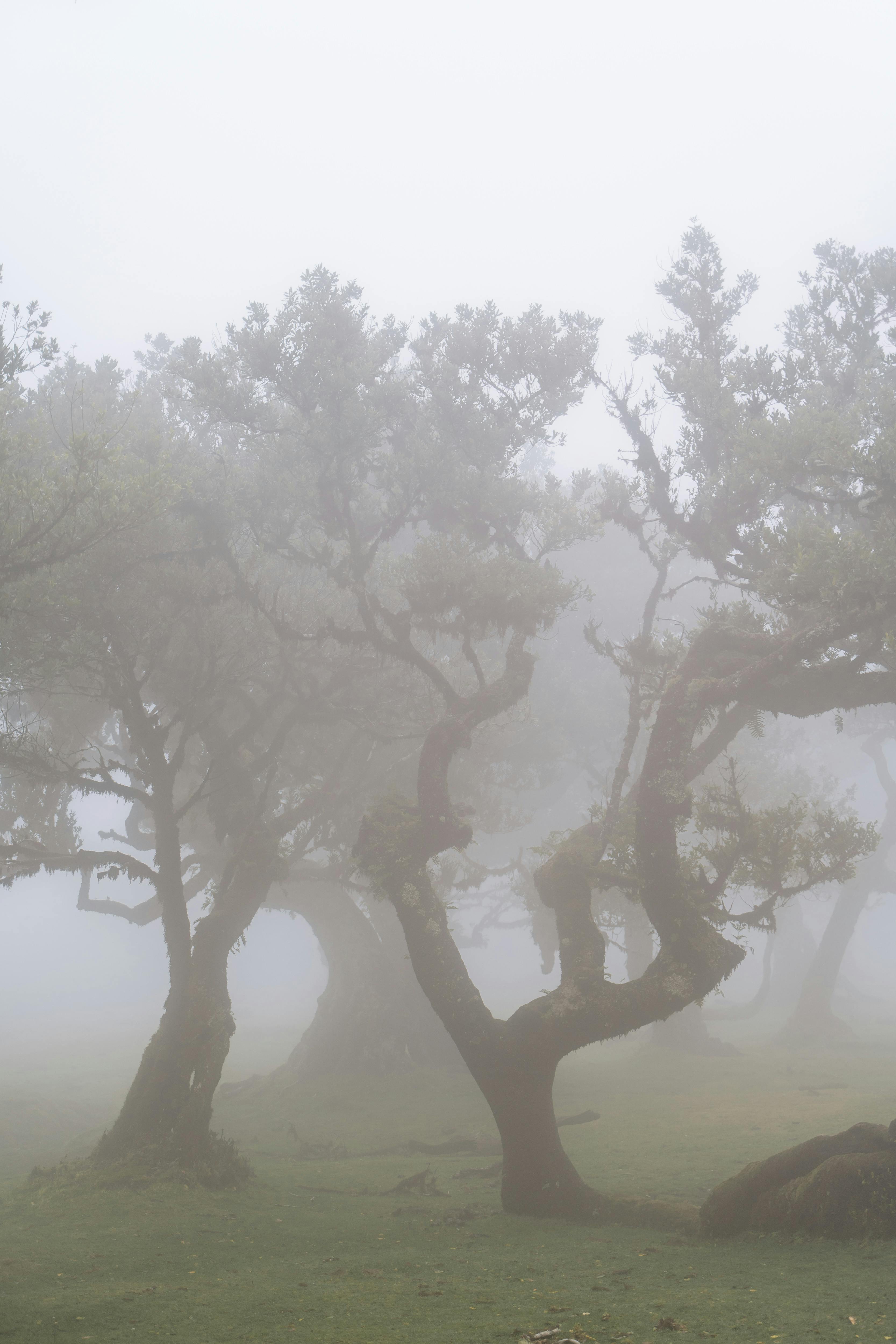
The island is home to the Laurisilva, a prehistoric laurel forest designated a UNESCO World Heritage Site.
Ancient seafarers spoke of a mystical island believed to be the Elysium of legend. Yet this secret of nature remained undiscovered until the 15th century.
In 1419, Prince Henry the Navigator's ships were sailing to explore the western coast of Africa when they were caught in a violent storm. Days later, the sailors discovered an island they named Porto Santo ("Holy Port"), in gratitude for their survival.
In 1420, three captains explored the larger island to the west of Porto Santo. They christened it Madeira – the Portuguese word for "wood" – due to the dense woodland that covered the untouched, mysterious island, little more than a dot in the vast Atlantic Ocean.
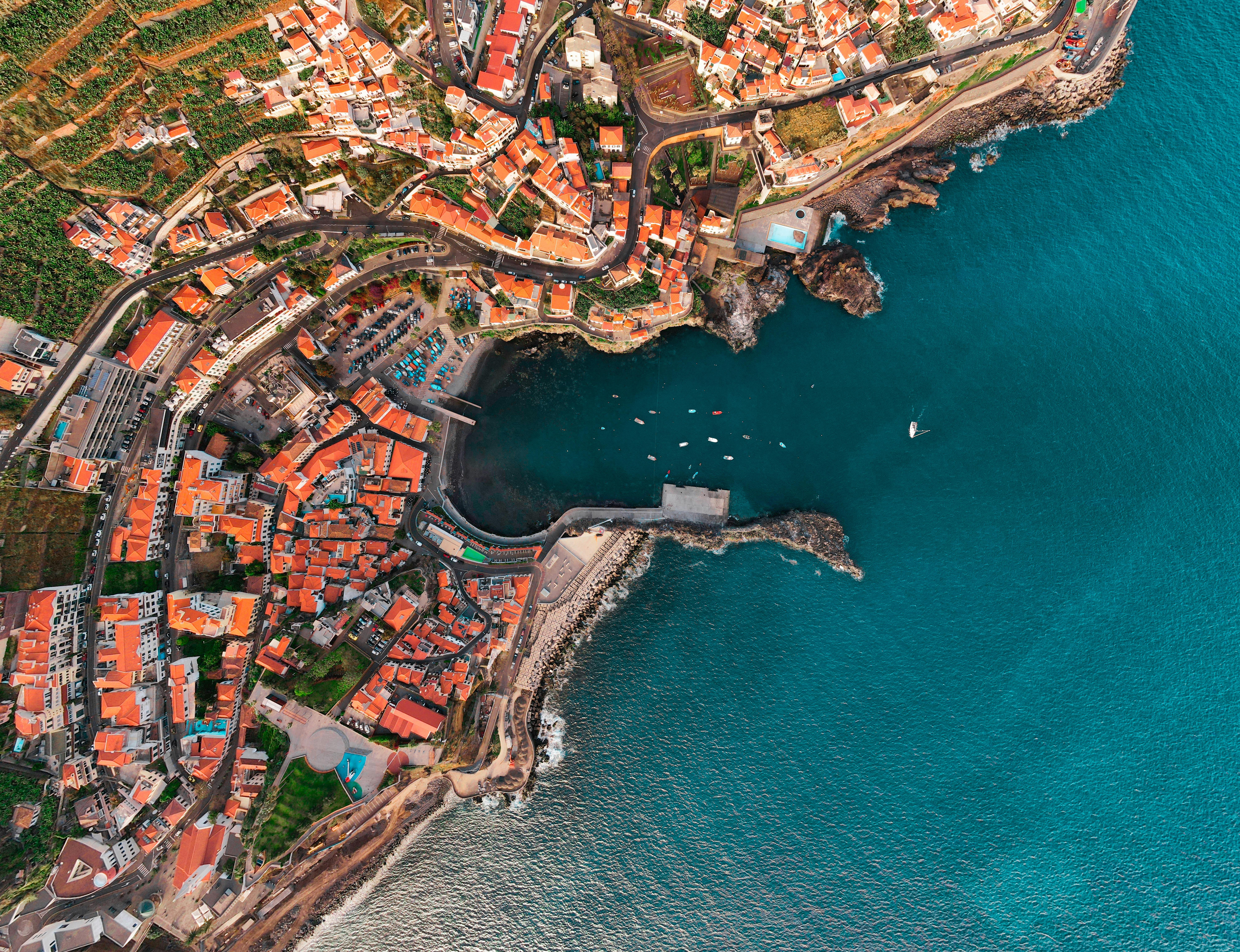
They marvelled at its waterfalls, hills, and valleys, and spoke of its rugged beauty. The Portuguese Crown quickly recognised the island's potential as a strategic outpost. King John I divided the island into three captaincies, and captains were tasked with developing their respective areas.
Around 142 settlers were brought from mainland Portugal to support the colonisation effort. The dense forests, rugged terrain, and volcanic soil presented an immense challenge. To clear the land, the settlers resorted to burning the woodland, which triggered months-long wildfires and caused significant soil erosion – a problem that persists in some areas to this day.
Crops such as sugarcane, vines, and wheat were introduced to the fertile volcanic soil, and livestock was brought to the island. By the mid‑15th century, Madeira was at the forefront of the emerging sugarcane revolution. This transformed the island into a thriving centre of commerce.
The booming sugar trade created a huge demand for labour. African slaves were brought to the island, making Madeira one of the first European colonies to use enslaved African labour and marking an early link in the international slave trade. Ships from across Europe and Africa came to trade for the prized sugar, nicknamed "White Gold".
By the 16th century, competition from other sugar‑producing regions led to a decline in the industry. Madeira then shifted its focus to wine production. Madeiran wine gained international fame and was famously used to toast the signing of the Declaration of Independence in 1776.
In 1807, British forces occupied the island as a pre‑emptive measure to prevent Napoleon from gaining control of key Atlantic trade routes. Although the occupation was temporary, it had a lasting impact. Infrastructure, roads, and harbours were significantly improved. British officers also discovered the island's favourable climate, which later contributed to the growth of tourism. Doctors began recommending Madeira to wealthy patients suffering from tuberculosis, partly fuelling a boom in hotel construction. Among the most iconic was Reid's Palace Hotel, built in 1891.
Artists and painters were drawn to the island, including the famous Winston Churchill, an avid painter who captured the dramatic scenery in watercolours.
The 20th century brought modernisation and political change. In 1964, the island's first airport opened, sparking a revolution in tourism. For the first time, visitors arrived not only from Europe but from around the world, drawn by Madeira's breathtaking scenery.
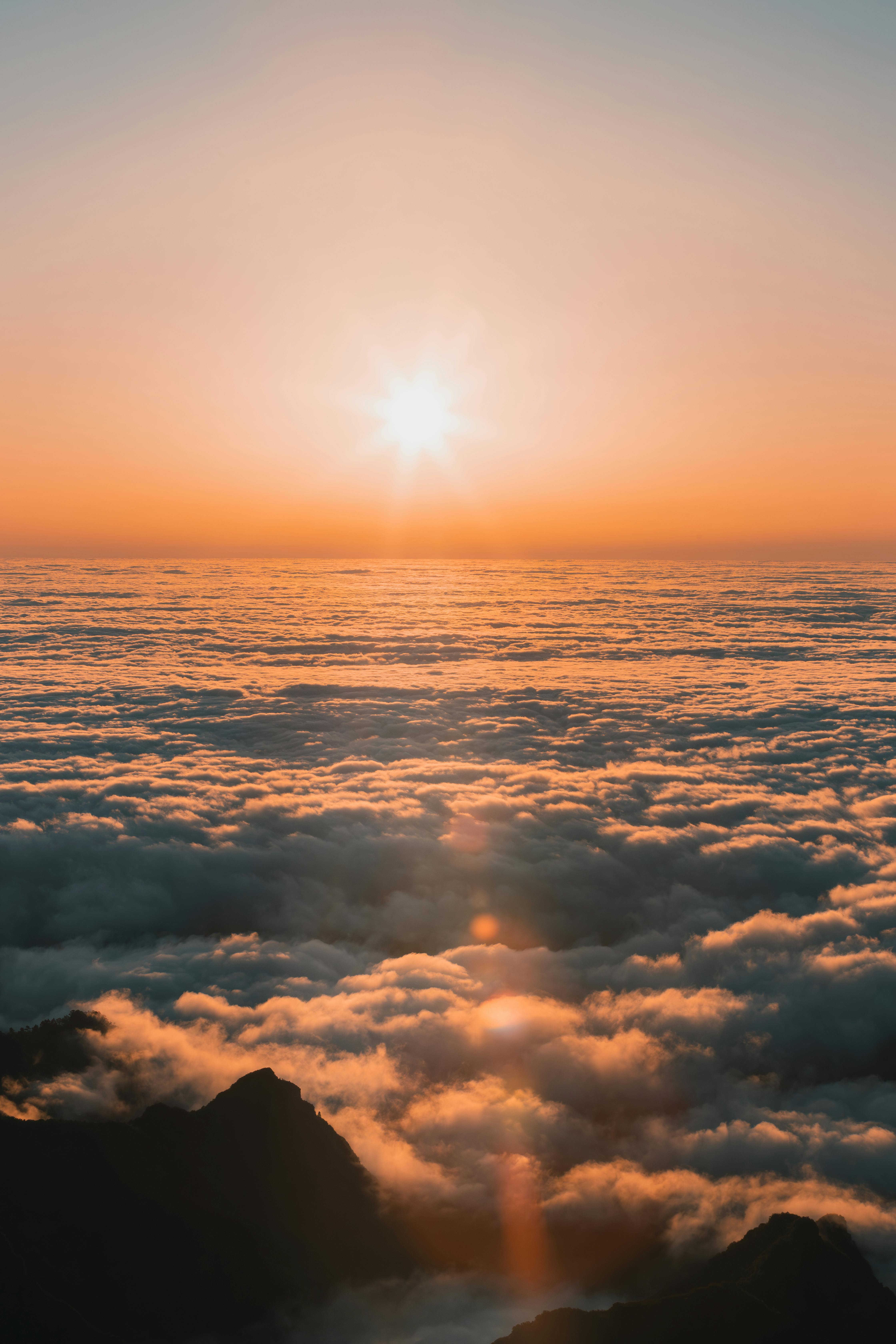
In 1976, Madeira was granted autonomous status, allowing it to manage its own affairs and infrastructure. In the late 20th century, major investment in roads and bridges connected previously isolated parts of the island.
Today, Madeira's famous festivals – such as the Flower Festival and Wine Festival – attract visitors from across the globe. Its lush valleys, agricultural terraces, and spectacular views continue to charm tourists.
This appeal is further strengthened by one of the island's modern heroes, Cristiano Ronaldo, born in Funchal in 1985. The island's airport was renamed in his honour.
From its volcanic birth to its pioneering role in the sugarcane trade and wine industry, Madeira has continued to adapt and evolve while remaining true to its rich history and culture. Its modern commitment to sustainability ensures that the island's natural beauty will be preserved for generations to come.